Recycling and Sustainability at Docklands Storage
 Docklands Storage is committed to practical sustainability that fits the pace of a busy urban waterfront. Our recycling and sustainability approach focuses on reducing waste, recovering materials responsibly, and supporting the local circular economy across the Docklands area. We aim for a minimum recycling percentage target of 75% across our operational waste streams, with a clear plan to improve this figure year on year through better sorting, smarter procurement, and stronger reuse partnerships. In a region shaped by apartments, offices, retail, and light industrial spaces, storage sustainability means taking everyday actions that make a measurable difference.
One of the most important parts of our approach is making it easier to separate waste correctly. The surrounding boroughs generally encourage households and businesses to divide materials into clear streams such as mixed dry recycling, food waste, glass, and general rubbish. At Docklands Storage, we reflect that local approach by separating cardboard, plastics, paper, metals, wood, and electronic items wherever possible. This helps ensure that more material moves away from disposal and toward recovery, refurbishment, or reprocessing. For customers using self-storage in the Docklands area, these habits also reinforce simple responsible storage practices.
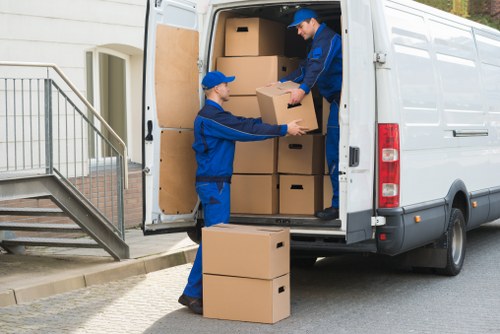 We also work with local transfer stations and waste handling partners that are familiar with the logistics of a dense city environment. Using nearby transfer stations helps reduce unnecessary transport distance, improves route efficiency, and supports better oversight of how waste is sorted before it continues to downstream recycling facilities. In practice, this means items like pallets, broken packaging, office clearance materials, and renovation offcuts can be moved into the most suitable recovery stream more quickly. Our Docklands storage recycling processes are designed to keep valuable materials in circulation for as long as possible.
Re-use, Recovery, and Community Partnerships
Recycling is only one part of the picture. We also place strong emphasis on reuse, especially for items that still have life left in them. Docklands Storage supports partnerships with charities and community organisations that can give furniture, household goods, books, and office equipment a second purpose. These partnerships help reduce landfill, extend product lifecycles, and support local causes at the same time. Where suitable, we direct usable goods toward charitable reuse rather than breaking them down unnecessarily, because the most sustainable item is often the one that is used again.
Our charity partnerships are particularly valuable during unit clearances, business moves, and seasonal decluttering periods, when high volumes of good-quality items can come through in a short time. By prioritising donation pathways, we support a more circular economy model across the Docklands community. This can include office chairs, filing units, shelving, small appliances, and non-specialist household items. When donation is not possible, those materials are assessed for recycling potential through the right local channels. This blend of reuse and recycling supports a stronger Docklands sustainability framework overall.
 We are also mindful of the different waste types commonly produced in mixed-use urban districts. In boroughs around Docklands, waste separation often includes food waste collection, dry mixed recycling, and dedicated streams for glass, textiles, and electrical goods. That local pattern informs how we organise our own waste handling, especially for customers storing items from homes, businesses, and shared workspaces. Materials such as cardboard sleeves, plastic wrap, and old display stock are sorted with care, while specialist waste is separated for compliant processing. These habits help improve the quality of what is recycled and reduce contamination in the system.
Low-Carbon Vans and Smarter Logistics
Transport is another key part of sustainability. Docklands Storage is increasing the use of low-carbon vans within our fleet to reduce emissions from local journeys. These vehicles support more efficient pickups, deliveries, and transfers between storage sites, transfer stations, and reuse partners. By choosing lower-emission options where possible, we can make our day-to-day operations cleaner without compromising reliability. For a service operating in a busy district with frequent stop-start traffic, low-carbon logistics are a practical step toward better air quality and lower operational impact.
We also aim to make every journey count. Route planning helps us avoid unnecessary mileage, and consolidating loads reduces the number of trips needed for recycling and clearance work. That means fewer emissions and a better use of fuel, time, and vehicle capacity. In a city setting where space is limited and road use is intense, these operational choices matter. They support a more efficient recycling storage model and align with broader local efforts to reduce waste-related transport impacts. The result is a cleaner, more considered service for the Docklands area.
 Our sustainability work extends behind the scenes too. We prioritise recycled and recyclable materials in packaging, encourage paper-light administration, and look for ways to cut single-use items in everyday operations. When handling items from customers, we consider whether materials can be repaired, repurposed, donated, or recycled before disposal is ever considered. This approach helps to avoid waste and keeps the focus on environmental responsibility. It also matches the expectations of borough waste strategies that emphasise separation, contamination reduction, and the recovery of high-value materials such as metals, clean cardboard, and sorted plastics.
A Practical Commitment for Docklands
 Docklands Storage sees sustainability as a long-term commitment, not a one-off initiative. Our recycling percentage target provides a clear benchmark, while our use of local transfer stations, charity partnerships, and low-carbon vans creates a joined-up system that works in real conditions. We will continue to improve how we sort, move, and recover materials so that Docklands storage recycling supports both the community and the environment. In an area where space is precious and waste must be handled efficiently, thoughtful action makes a real difference.
By combining smarter separation, reuse-first thinking, and lower-emission transport, we aim to make sustainable storage a normal part of everyday life in Docklands. Whether the material is cardboard from a business move, furniture from a unit clearance, or mixed household items requiring careful sorting, our process is built around reducing waste and supporting reuse wherever possible. That is how Docklands Storage sustainability becomes practical, measurable, and locally relevant.